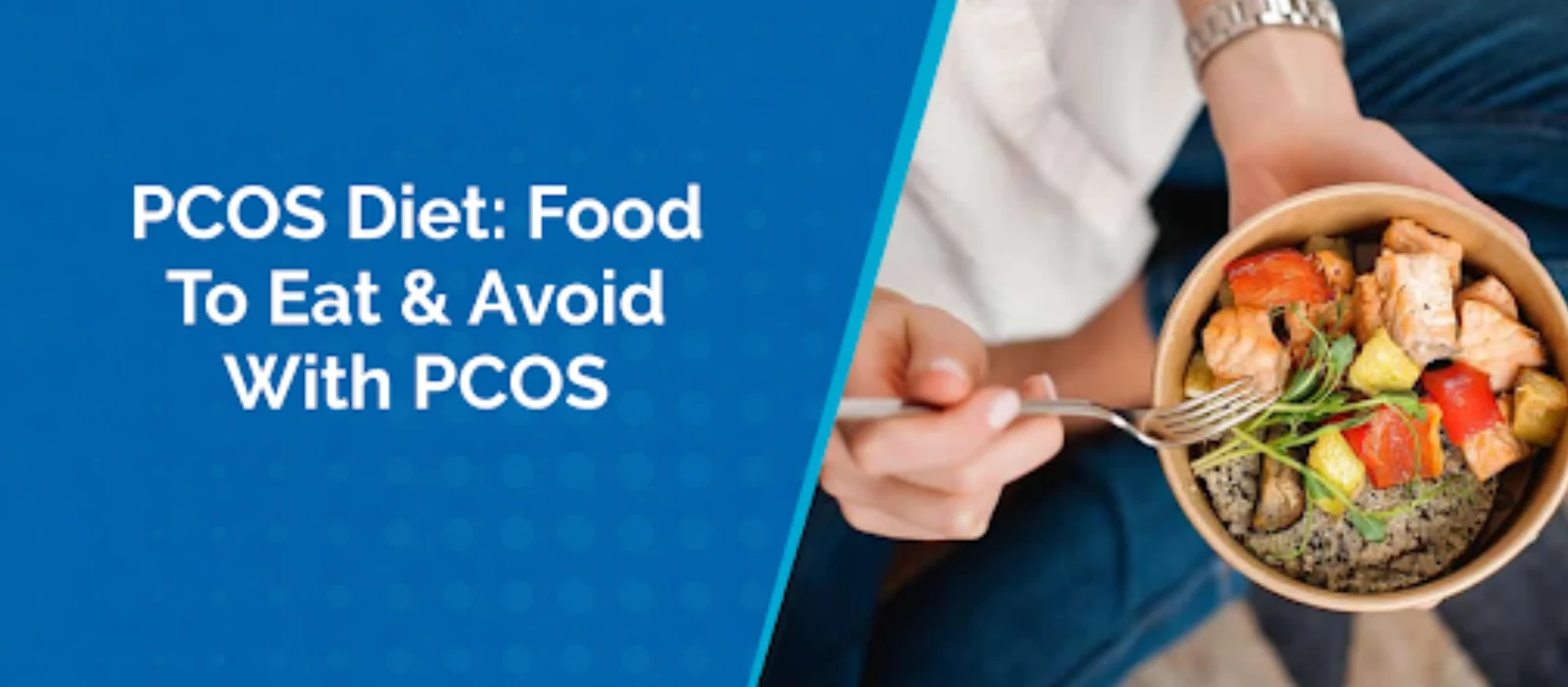
PCOS Diet Plan in Rajkot: Foods to Eat and Avoid
Polycystic Ovary Syndrome, commonly known as PCOS, has become one of the most common hormonal concerns among women today. Irregular periods, sudden weight gain, acne, hair fall, and constant fatigue are just a few of the symptoms that make daily life difficult. If you have been searching for a reliable PCOS diet plan in Rajkot, you are not alone. More and more women across the city are realizing that medication alone is not enough — what you eat every day plays a major role in managing PCOS symptoms and restoring hormonal balance.
At Ved Nutrition & Fitness Centre, we work with many women who come to us confused about where to start. Some have tried random diets from the internet. Others have cut out entire food groups without understanding why. A well-structured PCOS diet plan in Rajkot is not about starving yourself — it is about eating the right foods, in the right combination, at the right time.
What is PCOS and Why Does Diet Matter?
PCOS is a hormonal disorder that affects how the ovaries work. It is often linked with insulin resistance, which means the body struggles to use insulin effectively. This leads to higher blood sugar levels, increased fat storage, and further hormonal imbalance. That is exactly why a targeted PCOS diet plan in Rajkot focuses heavily on managing insulin levels through food choices, rather than just cutting calories.
When insulin resistance improves, many women notice better menstrual regularity, reduced acne, improved energy levels, and gradual, sustainable weight loss.
Foods to Eat in a PCOS Diet Plan
A good PCOS diet plan in Rajkot should be built around whole, unprocessed foods that keep blood sugar stable and reduce inflammation. Here are the key food groups to include:
1. High-Fiber Vegetables
Vegetables like spinach, broccoli, cauliflower, bottle gourd, and bell peppers are low in calories and high in fiber. Fiber slows down sugar absorption and helps control insulin spikes, making it a core part of any effective diet plan.
2. Lean Protein Sources
Protein keeps you full for longer and supports muscle health. Include eggs, paneer, tofu, moong dal, chickpeas, and grilled chicken or fish if you are non-vegetarian. Protein-rich meals also help reduce sugar cravings, which is common in PCOS.
3. Healthy Fats
Contrary to popular belief, fat is not the enemy. Healthy fats from almonds, walnuts, flaxseeds, and olive oil support hormone production and reduce inflammation in the body.
4. Complex Carbohydrates
Instead of white rice and refined flour, choose brown rice, whole wheat, oats, and millets like bajra and jowar. These release energy slowly and prevent sudden blood sugar spikes.
5. Anti-Inflammatory Foods
Turmeric, ginger, cinnamon, and green tea have natural anti-inflammatory properties that support hormonal balance and can be easily added to everyday Indian meals.
6. Low-Glycemic Fruits
Fruits like apples, berries, guava, and papaya are excellent choices as they have a lower impact on blood sugar compared to mangoes, bananas, or grapes, which are best consumed in moderation.
Foods to Avoid in a PCOS Diet Plan
Just as important as what you eat is what you avoid. A well-designed PCOS diet plan in Rajkot should limit or eliminate the following:
1. Refined Sugar and Sweets
Sugary foods cause rapid insulin spikes, which can worsen PCOS symptoms over time. This includes not just sweets and desserts but also hidden sugars in packaged juices and sauces.
2. Refined Carbohydrates
White bread, maida-based snacks, biscuits, and white rice digest quickly and cause blood sugar spikes, making insulin resistance harder to manage.
3. Fried and Processed Foods
Deep-fried snacks, packaged chips, and processed ready-to-eat meals are high in unhealthy trans fats that increase inflammation in the body.
4. Excess Dairy
Some women with PCOS find that high dairy intake worsens acne and bloating. Moderation is key, and switching to alternatives like almond milk can help in certain cases.
5. Caffeine and Aerated Drinks
Excess caffeine can affect cortisol levels, while sugary sodas contribute directly to insulin resistance and unwanted weight gain.
Why Choose a Personalized PCOS Diet Plan in Rajkot?
Every woman’s body responds differently to PCOS. Factors like weight, insulin levels, activity, and lifestyle all play a role in deciding what an ideal diet should look like. That is why generic diet charts found online rarely work long term.
At Ved Nutrition & Fitness Centre, our PCOS diet plan in Rajkot is designed after understanding your medical history, food habits, and daily routine. We focus on sustainable changes rather than restrictive dieting, which means the results last longer and are easier to maintain.
Our approach includes:
- A detailed consultation to understand your PCOS symptoms and lifestyle
- A customized meal plan suited to Indian food preferences
- Ongoing support to track progress and make adjustments
- Guidance on portion control instead of extreme restriction
- Practical tips that fit into a busy daily routine
Lifestyle Tips to Support Your PCOS Diet Plan
Diet alone works best when combined with a few lifestyle changes:
- Stay Active: Even 30 minutes of brisk walking or light exercise daily can improve insulin sensitivity.
- Prioritize Sleep: Poor sleep disrupts hormones further, so aim for 7-8 hours of quality rest.
- Manage Stress: High stress increases cortisol, which can worsen PCOS symptoms. Simple practices like deep breathing or yoga can help.
- Stay Consistent: Results from any PCOS diet plan take time. Consistency matters more than perfection.
Final Thoughts
Managing PCOS is a journey, not a quick fix. The right PCOS diet plan in Rajkot can make a significant difference in how you feel, both physically and emotionally. From reducing symptoms to supporting gradual weight loss, the food choices you make every day matter more than any crash diet ever could.
If you are ready to take the first step towards better hormonal health, Ved Nutrition & Fitness Centre is here to guide you with a personalized, practical, and sustainable approach.
Book your free consultation today and start your journey towards a healthier, more balanced you.
Frequently Asked Questions
Q: Can PCOS be cured completely through diet?
A: PCOS cannot be completely cured, but its symptoms can be significantly managed and controlled through the right diet, lifestyle changes, and medical guidance. Many women see major improvement in periods, weight, and energy levels with consistent effort.
Q: How long does it take to see results from a PCOS diet plan?
A: Most women start noticing changes in energy levels and digestion within 3-4 weeks, while improvements in menstrual regularity and weight typically take 2-3 months of consistent following.
Q: Is intermittent fasting good for PCOS?
A: Intermittent fasting can help some women with PCOS by improving insulin sensitivity, but it is not suitable for everyone. It is best to consult a nutrition expert before starting, especially if you have irregular periods or low energy.
Q: Can I eat rice if I have PCOS?
A: Yes, but portion control and choosing options like brown rice over white rice is recommended. Pairing rice with protein and vegetables also helps slow down sugar absorption.
Q: Do I need to completely avoid sweets while following a PCOS diet plan?
A: You do not need to eliminate sweets entirely, but frequent consumption should be avoided. Occasional indulgence in small portions is fine as long as your overall diet remains balanced and consistent.