Healthy Diet Tips for People Living Near Nana Mava Road, Rajkot
If you live or work near Nana Mava Road, you know how busy this part of Rajkot gets. Traffic, shops, offices, tea stalls and food counters are all within a few minutes of each other. That convenience makes it easy to grab a quick bite, but it also makes it easy to eat the same heavy, fried or sugary foods every day without noticing.
The good news is that you do not need a strict or expensive diet to eat better. Small, consistent changes to the food you already enjoy can improve your energy, digestion and weight over time. This guide shares practical diet tips for Nana Mava Road, Rajkot residents, built around Gujarati home food and the realities of a busy local routine.
Why Your Daily Routine Matters More Than a “Perfect” Diet
Most people near busy commercial roads share a similar pattern: an early start, a rushed breakfast, a heavy lunch, an evening snack on the go and a late dinner. Over months, this pattern often leads to weight gain, bloating and low energy.
The goal is not perfection. It is structure. When you eat at regular times, include protein with each meal and control portion sizes, your body stops swinging between hunger and overeating. This is the base of every sustainable plan, whether the goal is weight loss, weight gain or simply feeling healthier.
Build a Balanced Gujarati Plate
Traditional Gujarati meals can be very nutritious when the proportions are right. Use this simple plate method for lunch and dinner:
- Half the plate vegetables: Sabzi, salad, bhindi, dudhi, gawar or leafy greens.
- A quarter protein: Dal, kadhi, sprouts, paneer, curd, or eggs if you eat them.
- A quarter carbohydrates: One or two rotlis, or a small portion of rice or khichdi.
- A small amount of healthy fat: A teaspoon of ghee or a few nuts, not a pool of oil.
Two habits help the most. First, eat your salad and sabzi before the rotli. Fibre fills you up and slows sugar absorption. Second, choose bajra or jowar rotli a few times a week instead of only wheat. These millets are rich in fibre and keep you full longer.
Smart Choices for Snacks and Street Food
Around busy roads, snacks are everywhere. You do not have to avoid them completely, but you can choose better more often.
Better options:
- Roasted chana, makhana or a handful of nuts
- Fresh fruit or a bowl of sprouts
- Buttermilk (chaas) instead of sweet cold drinks
- Steamed or baked items like dhokla or khaman, in moderate portions
- Plain curd with a sprinkle of roasted jeera
Limit these:
- Deep-fried farsan and fafda eaten daily
- Packaged chips and biscuits
- Sugary tea several times a day
- Sweet drinks and bottled juices
A simple rule helps: if you are hungry between meals, eat something with protein or fibre. If you just want a treat, have a small portion and enjoy it, instead of eating a full plate out of guilt or habit.
A Sample One-Day Diet You Can Follow
Here is an example for a general healthy adult. Portions and needs vary, so treat this as a starting point, not a prescription.
Early morning: A glass of lukewarm water. Add lemon if you like it.
Breakfast: Two besan chilla with mint chutney, or vegetable poha with peanuts, plus a cup of tea with little or no sugar.
Mid-morning: One fruit, such as apple, papaya or guava.
Lunch: One or two rotlis, a bowl of dal or kadhi, a portion of sabzi, a large salad and a small bowl of curd.
Evening snack: Roasted chana or a handful of nuts with green tea or chaas.
Dinner: A lighter meal such as vegetable khichdi with curd, or moong dal soup with one rotli and sabzi. Try to eat at least two hours before sleeping.
If your day is irregular, keep a small box of roasted chana or nuts in your bag or desk drawer. This prevents last-minute decisions at a fast-food counter.
Hydration, Sleep and Movement
Diet works best alongside a few other habits:
- Water: Many people confuse thirst with hunger. Keep a bottle nearby and sip through the day.
- Sleep: Poor sleep increases cravings, especially for sugar and fried food. Aim for seven to eight hours.
- Movement: You do not need a gym. A 30-minute daily walk, taking stairs and stretching after long hours of sitting all make a difference.
A walk after dinner is one of the easiest habits to start, and it helps digestion as well.
Common Mistakes to Avoid
- Skipping breakfast and then overeating at lunch or in the evening.
- Crash dieting. Very low-calorie plans often lead to weight regain.
- Cutting out entire food groups without a reason.
- Ignoring portion size, even with healthy foods.
- Copying someone else’s diet. Your body, work hours and health history are different.
When to Get Personalised Guidance
General tips are a good start, but they cannot account for your exact goals, food preferences, work schedule or health conditions. If you have been trying on your own without steady progress, a personalised plan can save you time and frustration.
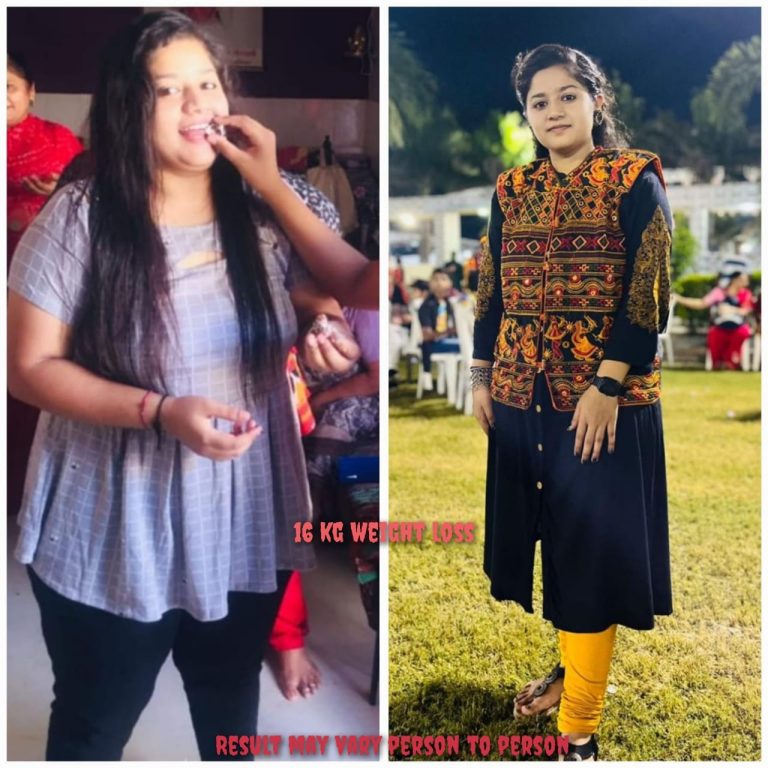
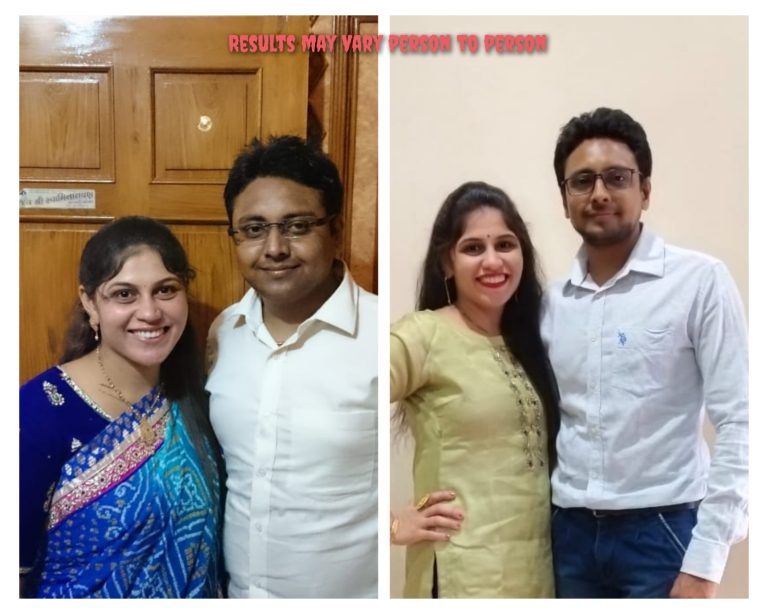
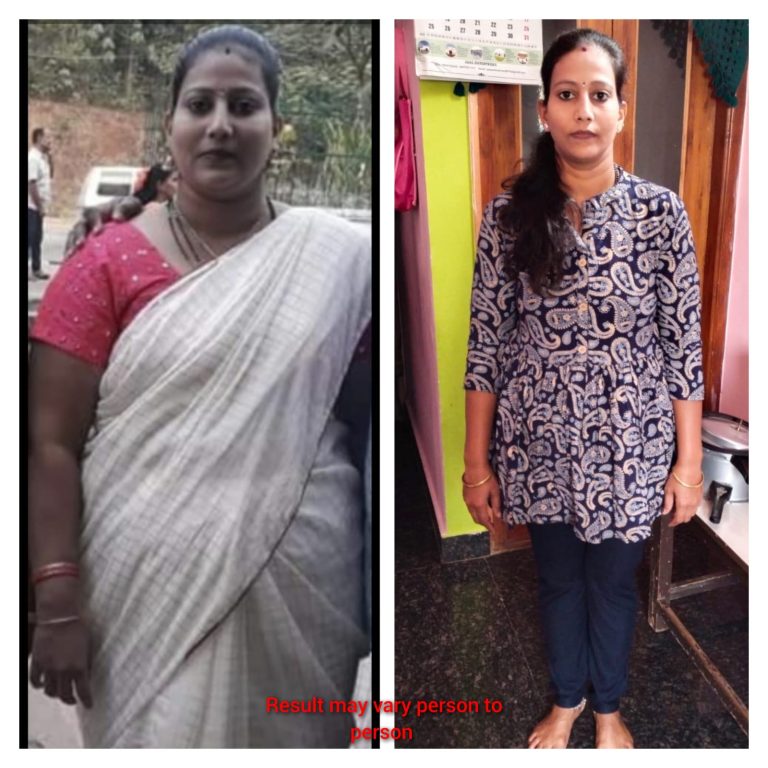
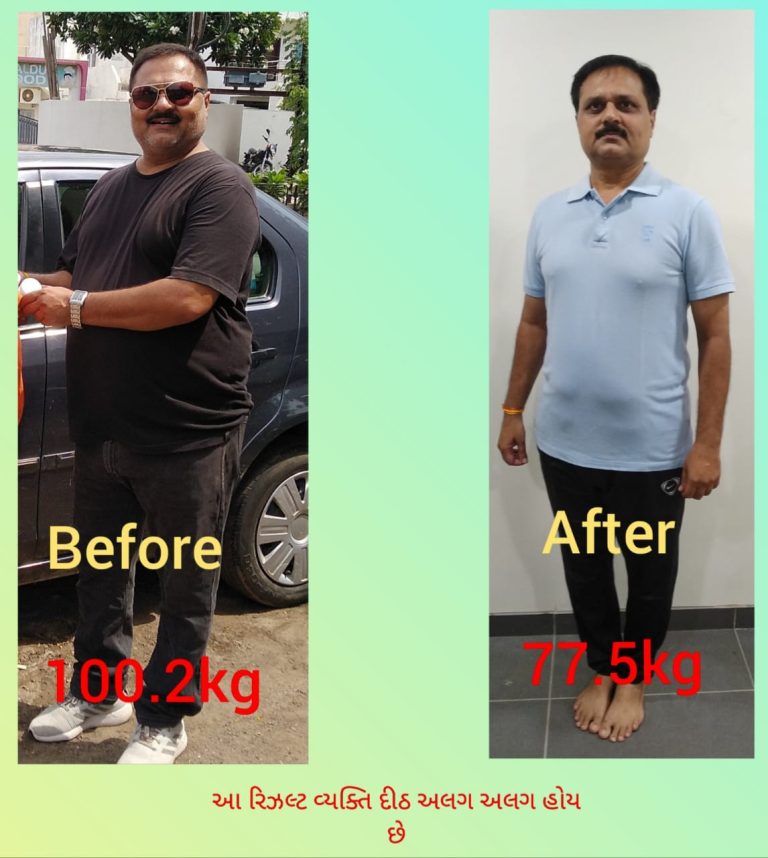
At Ved Nutrition & Fitness Centre, the approach is practical and based on Indian food habits. You can explore the available personalised diet plans, learn about the weight loss program or choose an online consultation if visiting in person is difficult. If you are looking for a weight loss center in Rajkot with guidance that fits your routine, you can also contact the team directly. You can also view the centre and read reviews through the Ved Nutrition & Fitness Centre Google listing.
For more articles on nutrition and healthy living, visit the Ved Nutrition blog. If you want to learn about nutrition supplements as part of a balanced plan, you can read about the Herbalife Club products.
Frequently Asked Questions
1. What is a healthy diet for someone living near Nana Mava Road, Rajkot?
A healthy diet follows a balanced plate: half vegetables, a quarter protein and a quarter carbohydrates, with a small amount of healthy fat. Regular meal timings and smaller portions of fried foods matter more than following a strict plan.
2. Can I lose weight eating normal Gujarati food?
Yes. Home-cooked Gujarati meals can support weight loss when you control portions, include dal or curd for protein, eat more vegetables and limit fried farsan and sweets. A personalised plan can make this easier.
3. What are good snack options if I am always on the go?
Roasted chana, makhana, nuts, fruit, sprouts and chaas are easy to carry or find. Keeping a small snack box with you reduces the urge to buy fried or sugary snacks.
4. Do I need a gym to improve my health and weight?
No. Many people improve their health through better nutrition, daily walking and lifestyle changes. A gym can help, but it is not the only way.
5. Is online diet consultation available if I cannot visit in person?
Yes. Ved Nutrition & Fitness Centre offers both online and offline consultations, so you can get guidance through phone or video calls and follow your plan from home.