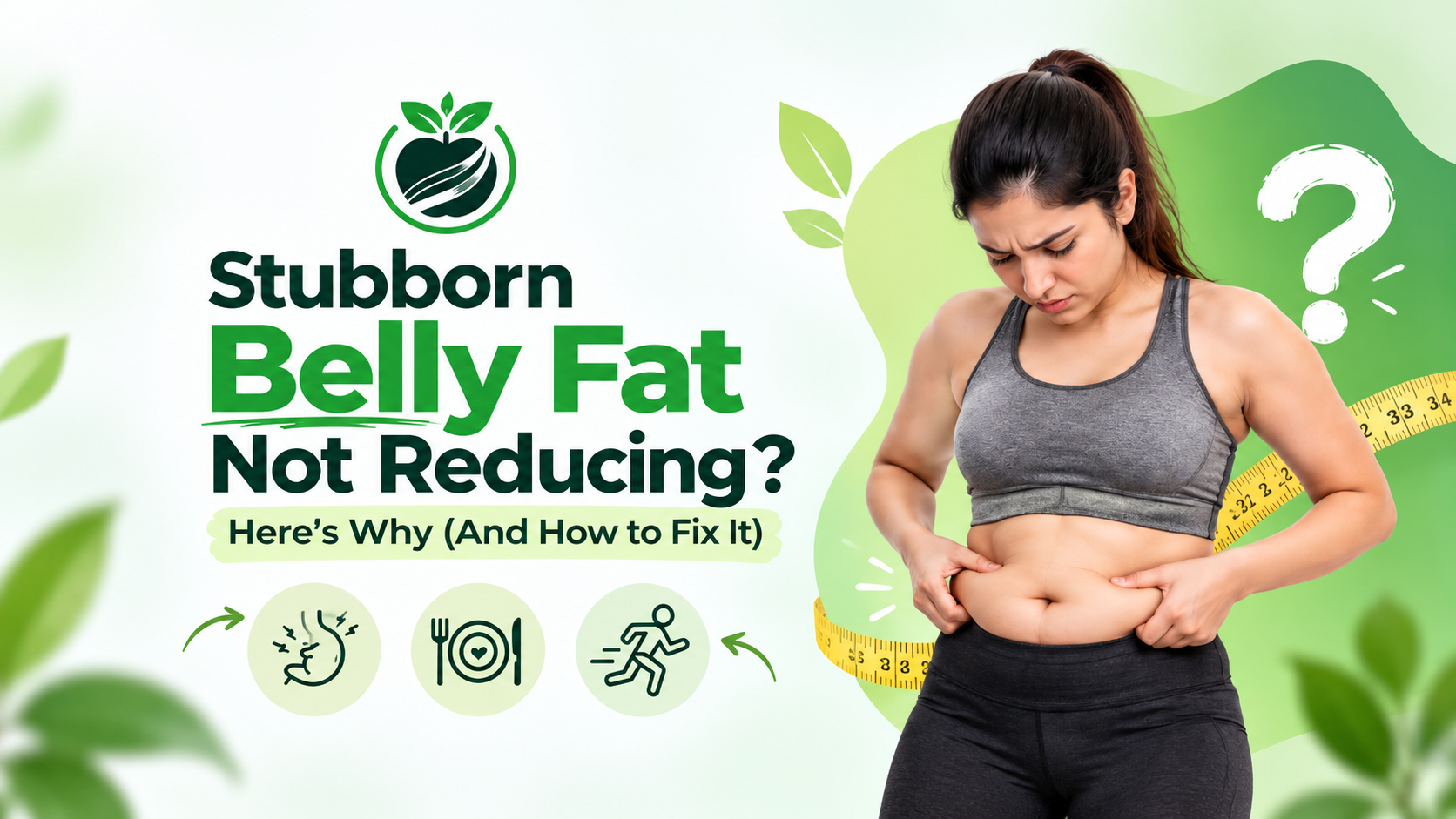
Stubborn Belly Fat Not Reducing? Here’s Why (And How to Fix It)
You’re eating “healthy,” maybe even hitting the gym a few times a week — but that stubborn belly fat just won’t budge. If this sounds familiar, you’re not alone. Stubborn belly fat not reducing is one of the most common frustrations people face on their weight loss journey, and in most cases, it’s not about willpower — it’s about missing the real reasons behind it. Let’s break down why belly fat gets stuck and exactly how to fix it.
Why Belly Fat is Different From Other Body Fat
Belly fat isn’t just stored energy — a large part of it, called visceral fat, wraps around your internal organs and behaves almost like an active hormone-producing tissue. This makes it more stubborn and more responsive to hormonal imbalances, stress, and insulin levels than fat stored elsewhere in the body. This is exactly why doing endless crunches or cutting calories alone often doesn’t work.
Top Reasons Your Belly Fat Isn’t Reducing
1. You’re Only Focused on Calories, Not Hormones
Weight loss isn’t just “calories in vs calories out” when it comes to belly fat. Hormones like insulin, cortisol, and estrogen play a huge role in where your body stores fat. If these are imbalanced, you can be in a calorie deficit and still struggle to lose belly fat specifically.
Fix it: Get your hormone levels checked if you’ve been struggling for months despite consistent diet and exercise. Balancing blood sugar with fiber-rich, protein-heavy meals helps regulate insulin naturally.
2. High Stress Levels (Cortisol) Are Working Against You
Chronic stress raises cortisol levels, and cortisol is directly linked to fat storage around the abdomen. This is why people under constant work pressure or emotional stress often notice fat accumulating around the belly, even without major changes to diet.
Fix it: Incorporate stress-management practices daily — short walks, deep breathing, yoga, or even 10 minutes of quiet time can lower cortisol levels over time.
3. You’re Not Eating Enough Protein
Low protein intake makes it harder to preserve muscle mass while losing fat, which slows metabolism and makes belly fat loss even more difficult. Most Indian diets, especially vegetarian ones, tend to fall short on daily protein needs.
Fix it: Add protein to every meal — dal, paneer, eggs, curd, sprouts, or lean meats — to support muscle retention and a faster metabolism.
4. Poor Sleep is Silently Sabotaging You
Lack of quality sleep disrupts hunger hormones (ghrelin and leptin), leading to increased cravings and fat storage, particularly around the belly. Even if your diet is perfect, poor sleep can stall your progress.
Fix it: Aim for 7-8 hours of consistent, quality sleep. Avoid screens right before bed and try to maintain a fixed sleep schedule.
5. You’re Doing Cardio, But Skipping Strength Training
Cardio alone burns calories, but strength training builds muscle, which increases your resting metabolic rate — meaning you burn more calories even at rest. Skipping strength training is one of the biggest reasons belly fat plateaus despite regular workouts.
Fix it: Include at least 2-3 days of strength or resistance training per week alongside your regular cardio routine.
6. Hidden Sugar and Processed Foods in Your Diet
Many “healthy” packaged foods, sauces, and even fruit juices contain hidden sugars that spike insulin and promote fat storage around the belly. Even small daily additions can add up significantly over weeks.
Fix it: Read food labels carefully, avoid packaged snacks and juices, and replace sugary drinks with water, buttermilk, or herbal teas.
7. You’re Not Managing Portion Sizes, Even With “Healthy” Food
Overeating even healthy foods like nuts, ghee, or fruits can add excess calories that prevent fat loss. Portion control matters just as much as food quality.
Fix it: Practice mindful eating, use smaller plates, and be aware of portion sizes even with nutritious foods.
8. You Have an Underlying Medical Condition
Conditions like PCOS, thyroid imbalances (hypothyroidism), and insulin resistance can make belly fat particularly stubborn, regardless of diet and exercise efforts.
Fix it: If you’ve tried consistent diet and exercise for months without results, consult a doctor or nutritionist to rule out underlying medical conditions.
The Right Way to Target Stubborn Belly Fat
There’s no magic pill or single exercise that spot-reduces belly fat. The most effective approach combines:
- A protein-rich, balanced diet with controlled portions
- Regular strength training combined with cardio
- Stress management and quality sleep
- Addressing any underlying hormonal or medical issues
- Consistency over weeks and months, not quick fixes
Final Thoughts
If your belly fat isn’t reducing despite your best efforts, it’s usually a sign that something beyond “eating less and exercising more” needs attention — whether it’s hormones, stress, sleep, or an underlying health condition. The good news is that with the right, personalized approach, stubborn belly fat can absolutely be reduced.
At Ved Nutrition & Fitness Centre, Rajkot, we go beyond generic diet charts — identifying the real reason behind your stubborn belly fat and creating a personalized plan that actually works for your body.
FAQs
1. Why is belly fat harder to lose than fat in other areas?
Belly fat, especially visceral fat, is more metabolically active and closely linked to hormones like cortisol and insulin, which makes it more resistant to typical calorie-cutting methods compared to fat stored elsewhere.
2. Can stress really cause belly fat?
Yes, chronic stress raises cortisol levels, which is directly linked to increased fat storage around the abdomen, even if your diet and exercise routine haven’t changed.
3. Do I need to do extra ab exercises to lose belly fat?
No, spot reduction isn’t possible. Ab exercises strengthen the muscles underneath but don’t specifically burn belly fat — overall fat loss through diet, strength training, and cardio is what reduces belly fat.
4. How long does it take to reduce stubborn belly fat?
With a consistent, personalized approach addressing diet, exercise, sleep, and stress, most people start noticing visible changes within 6-8 weeks, though this varies by individual.
5. Should I get my hormones checked if my belly fat won’t reduce?
If you’ve been consistent with diet and exercise for several months without results, getting hormone levels checked (thyroid, insulin, cortisol) is a good idea to rule out underlying causes.